 AI Voice · RVC
Parody Voice Changer
Become a famous narrator, political parody, cartoon character, dramatic villain, or a voice nobody has heard before. Use included character styles or import compatible community voices and perform live anywhere your microphone works.
Start instantly with a character style
Pick an included voice and jump straight into a narrator bit, radio broadcast, robot character, or completely original persona.
Robot
Sound like a classic sci-fi robot in Discord, games, streams, and any voice chat.
Announcer
Turn every clutch play, entrance, and introduction into a live sports-announcer moment.
Radio
Sound like a vintage radio broadcast in games, Discord, streams, videos, and voiceovers.
Deep Narrator Voice
Make anything sound cinematic with a deep narrator voice for stories, trailers, videos, and games.
Explore specific parody voices
Want a more recognizable character or public-figure parody? These guides show how compatible community RVC models can be imported into Echo and used live.
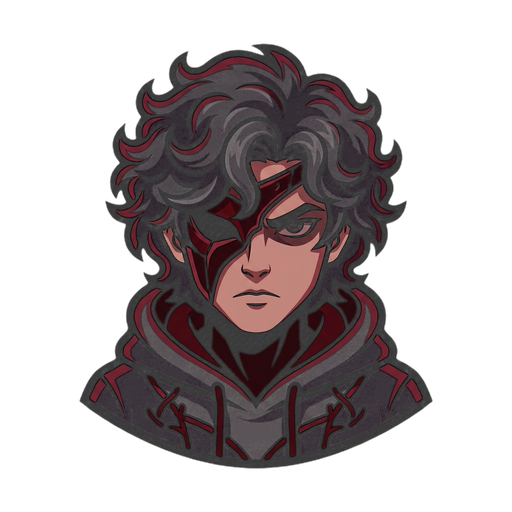
Corpse Husband
Get a Corpse Husband-style deep voice for Discord, games, streams, horror content, and dramatic late-night calls.

Donald Trump
Use a Donald Trump-style voice live for Discord, Presidents Play videos, games, streams, memes, and political parody.
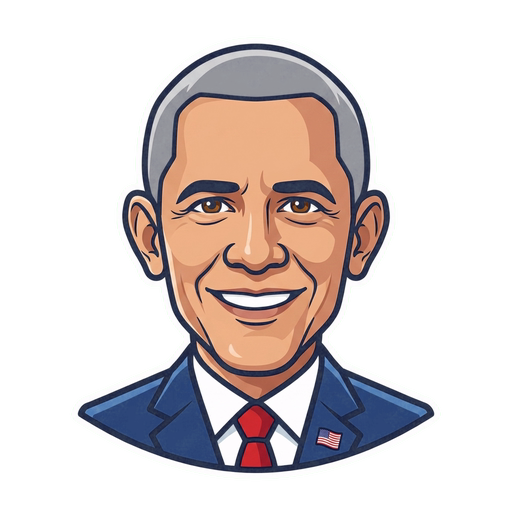
Barack Obama
Use a Barack Obama-style voice live for Discord, Presidents Play videos, games, streams, memes, and political parody.
Community models are imported separately. Echo provides the live voice changer; named models are not bundled or official, and their availability depends on the original source.
Two ways to steal the scene
Included voices are the fastest route: choose a narrator, radio host, robot, monster, or another character style and start talking. Compatible RVC models go further by converting your live performance into a more specific voice you import from the community. Either way, your timing, delivery, and jokes stay yours.
Build a parody people remember
The model supplies the sound; the bit still needs a point of view. Give the character a rhythm, a running joke, and a reason to exist in the game or stream. Original personas are endlessly reusable, while recognizable parody voices work best when the joke and synthetic context are obvious.
Go from idea to live voice in three steps
Choose a voice
Start instantly with an included character style, or find a compatible community RVC model for a more specific parody voice.
Make it yours
Select the included voice or import your model, then test it with the jokes, reactions, and character delivery you actually plan to use.
Go live anywhere
Choose Echo as the microphone in Discord, games, calls, or streaming software and perform the character live.
FAQ
Can I make celebrity and parody voices with Echo?
Yes. Choose an included character style for an original persona or import a compatible community RVC model for a specific parody voice. Echo changes your microphone live while you perform.
Do parody voices work on Discord, games, and streams?
Yes. Select Echo as your microphone in Discord, supported games, calls, or streaming software such as OBS and people will hear the changed voice live.
Is the parody voice changer free?
What is the difference between a built-in voice and an RVC model?
Where can I find compatible community voice models?
How should parody voices be used?
Build a voice that fits the bit
Choose an included character style or bring a compatible model you have permission to use, then test it in your real setup.
Download Echo